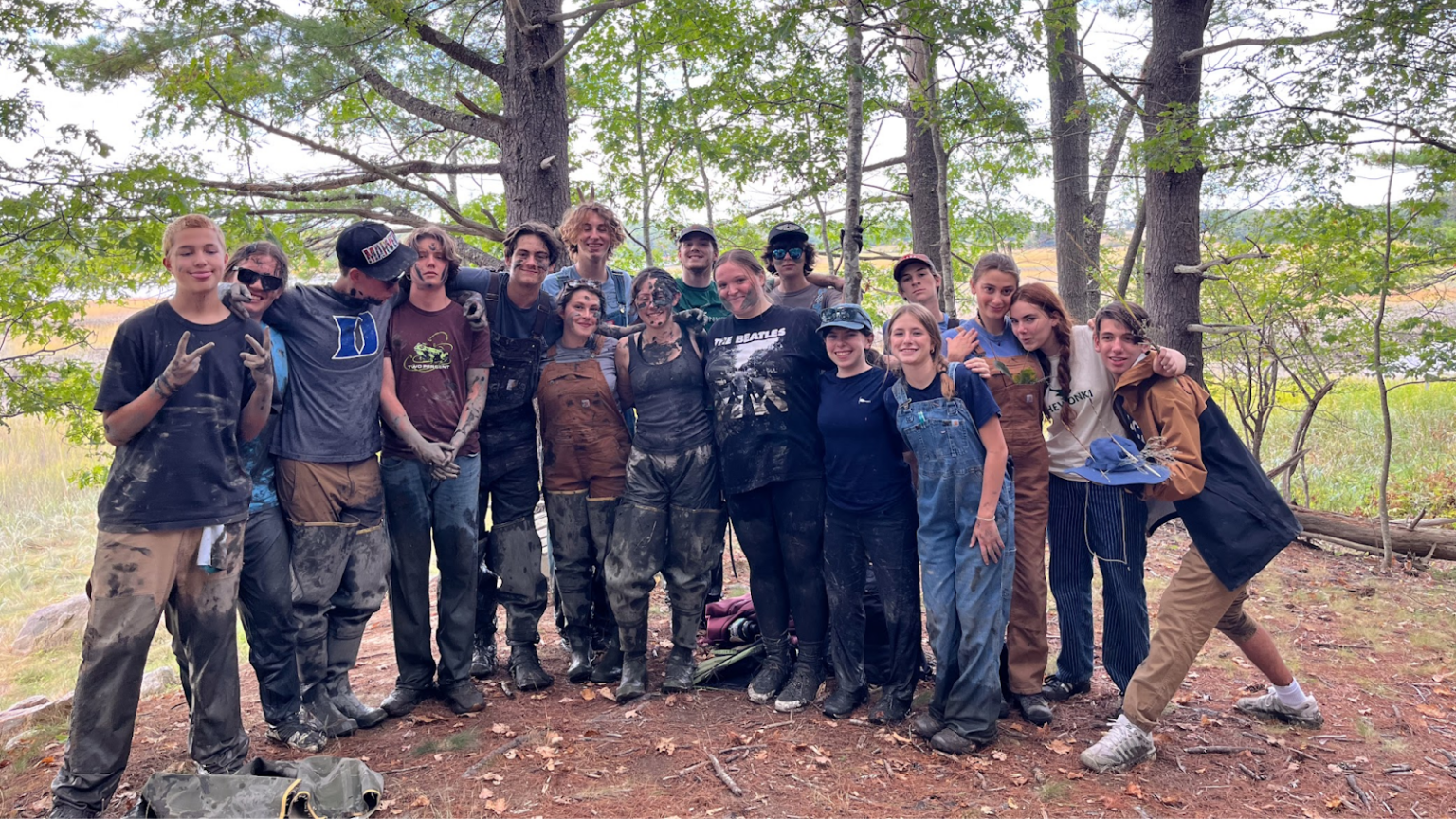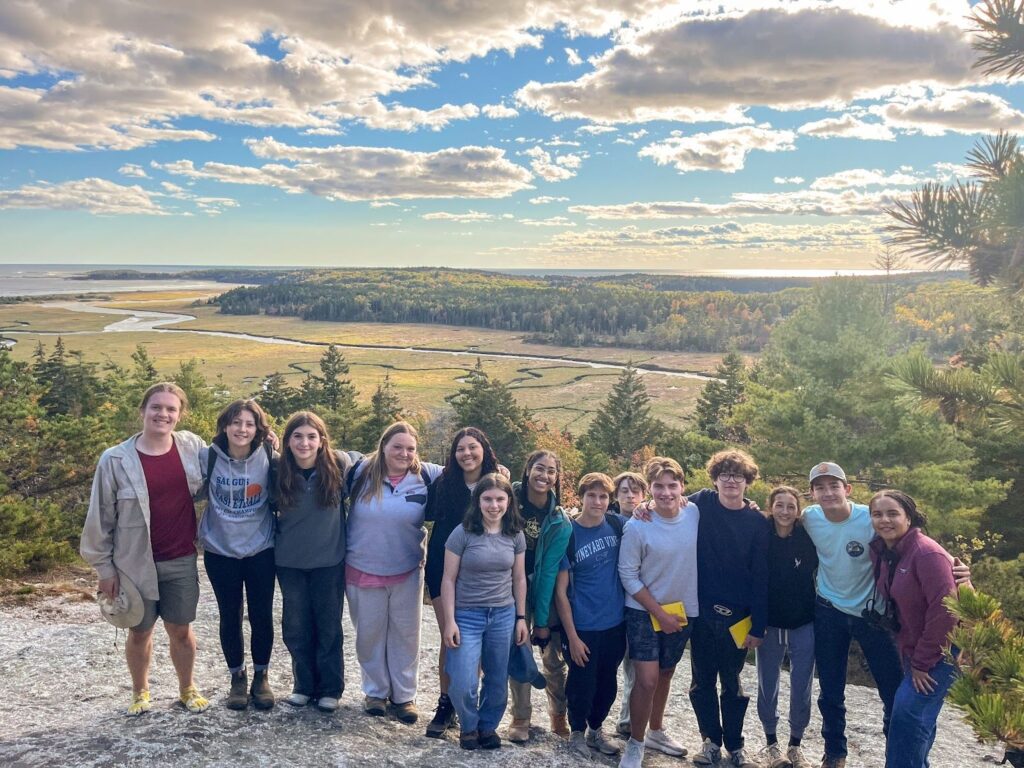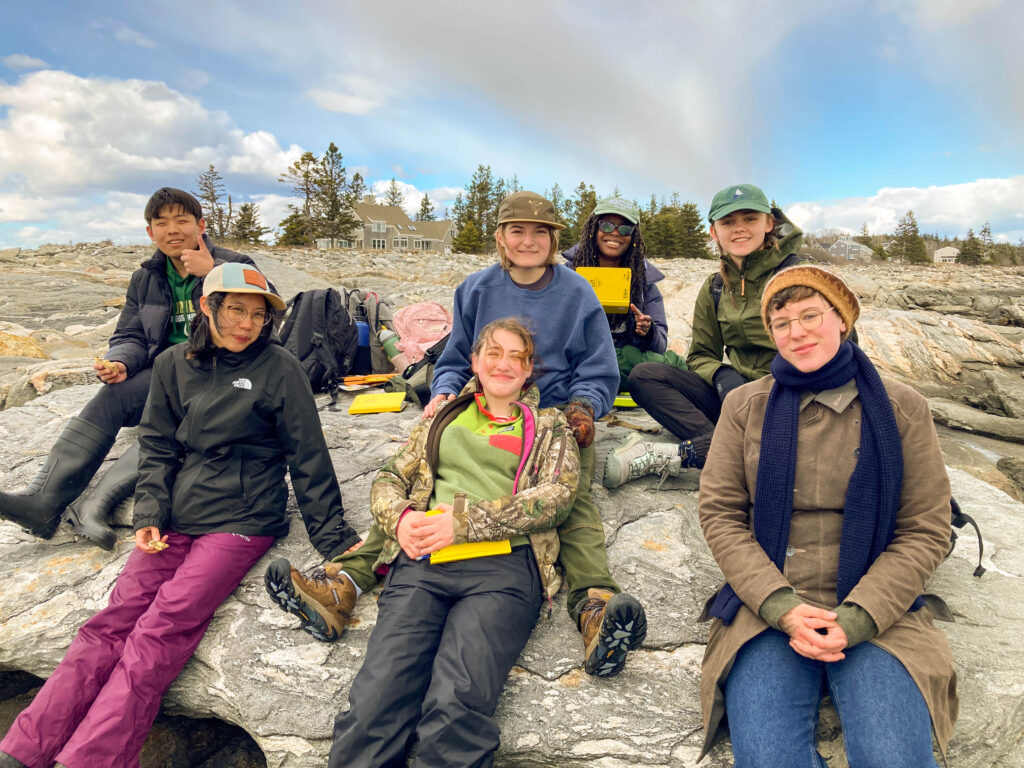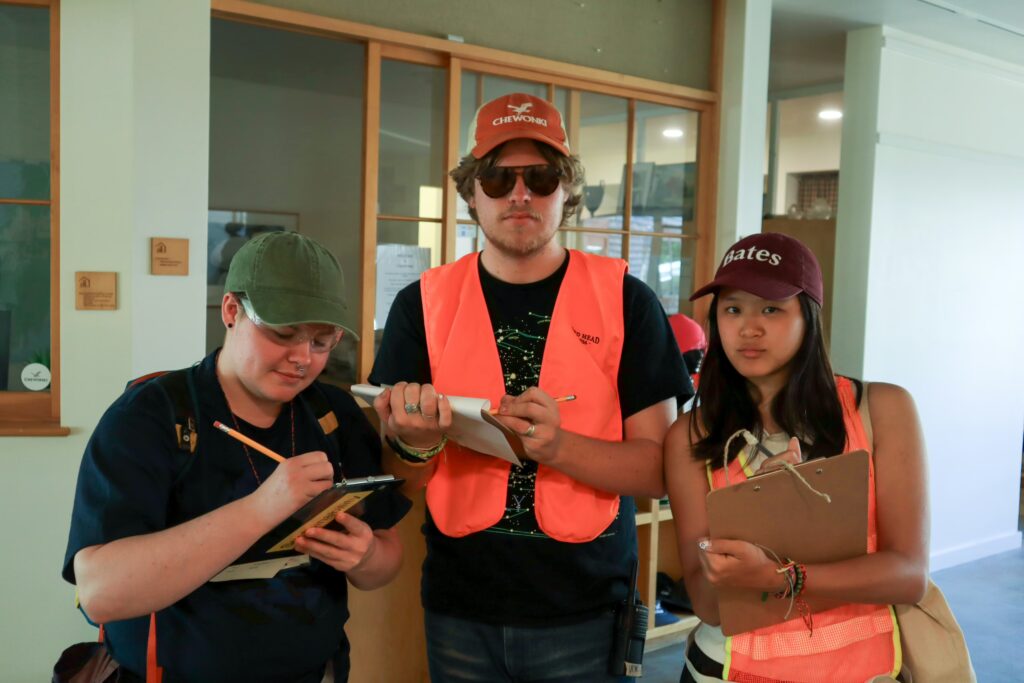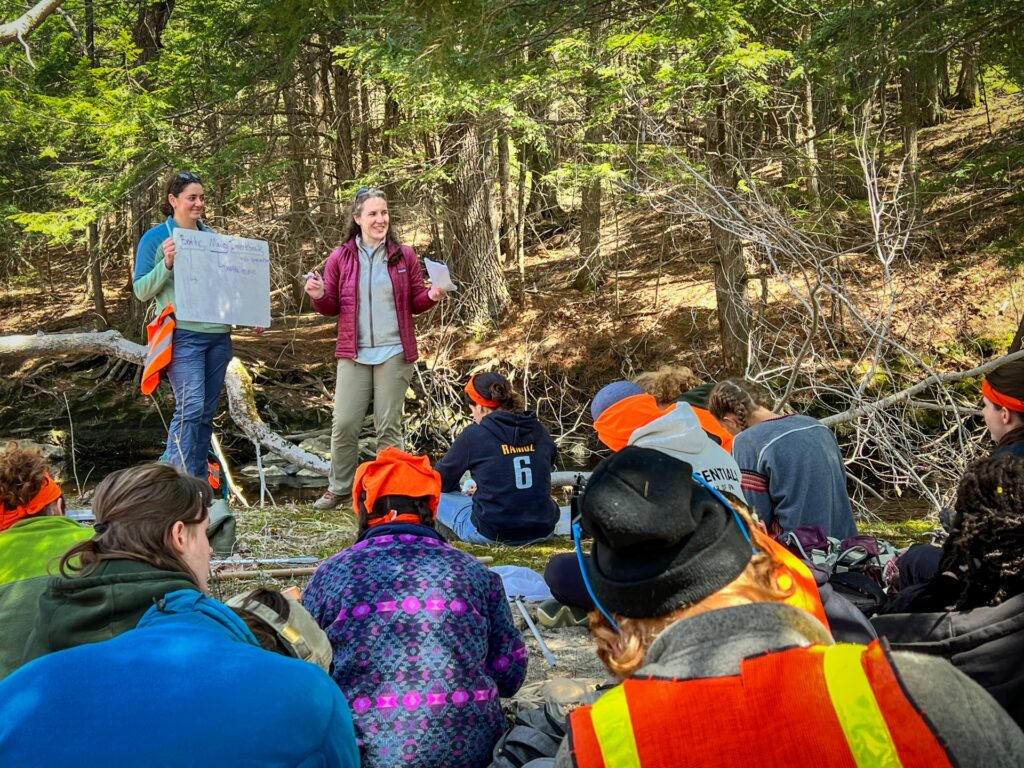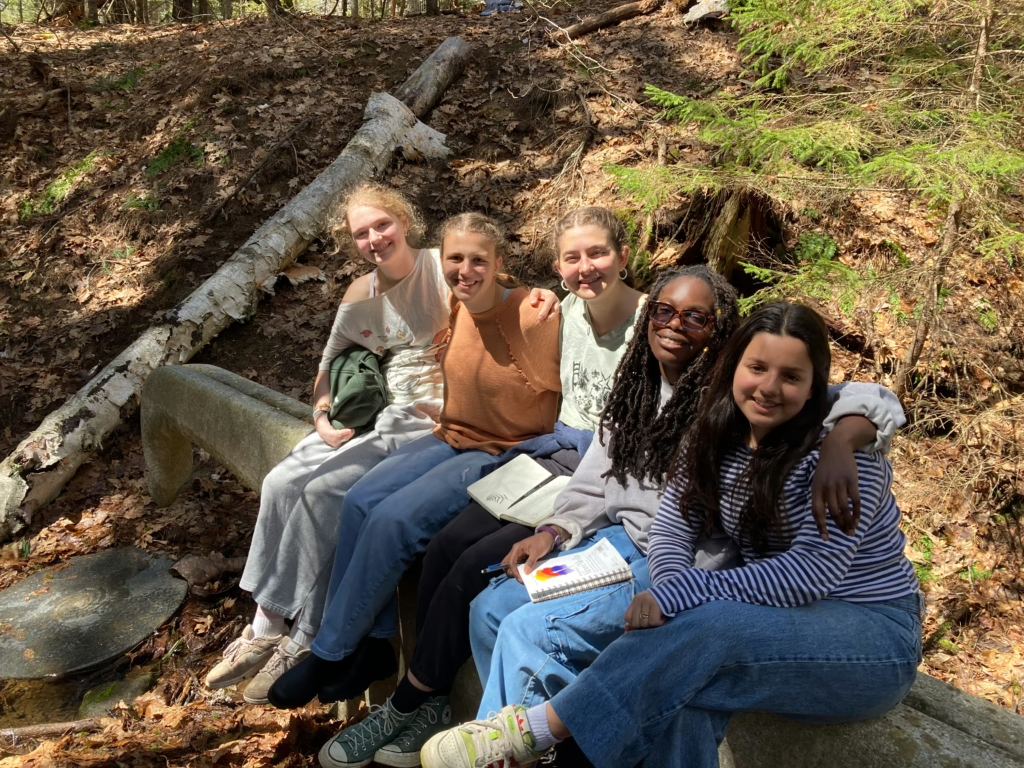
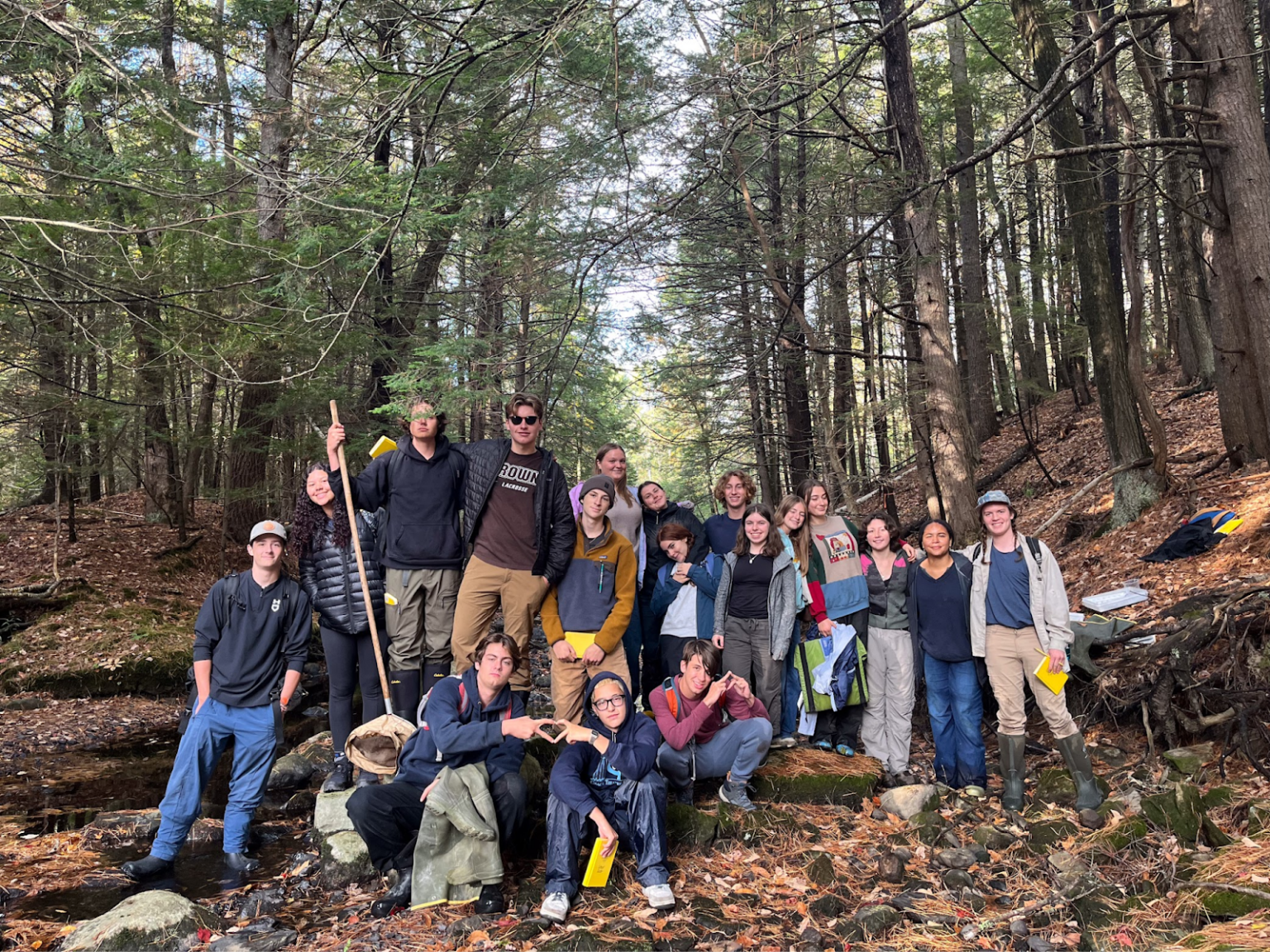
At Maine Coast Semester, we’ve always believed that the best version of a student emerges when they are “unplugged” from modern digital distractions and “plugged in” to a real-life community that fosters a deeper sense of creativity, engagement, and a willingness to take healthy social and intellectual risks.
We see it every day in the way our students form friendships, master farm chores, engage with the natural world, and pivot away from “studying for the test” and into “loving to learn” for its own sake. Properly done, the semester-away model for high school students can unlock incredibly powerful growth in a short period of time.
But as educators, we’re often asked: “How do you know it’s working?”
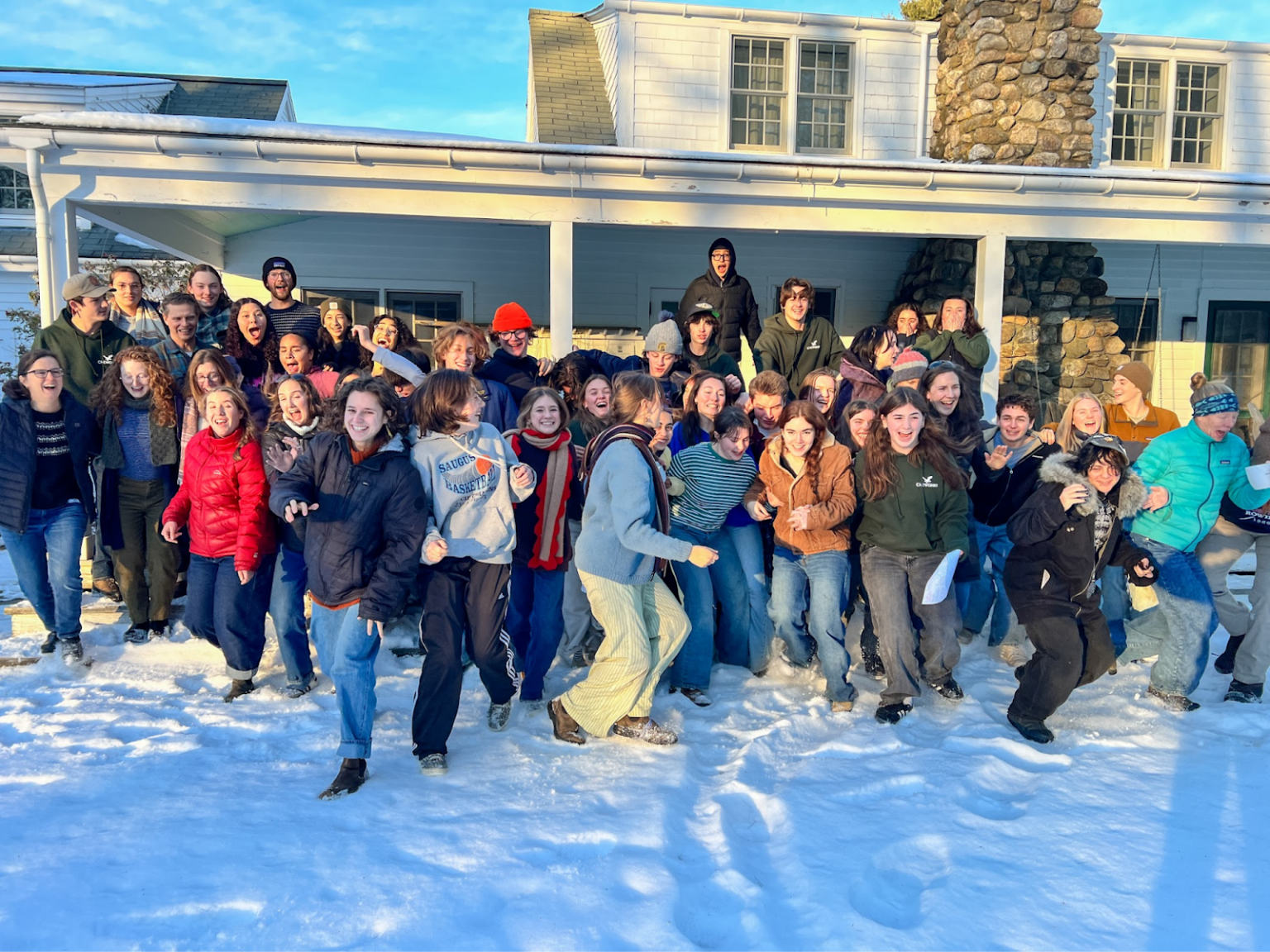
We decided to find out. We are excited to share the results of our first-ever collaboration with Sapien Labs, a global research organization dedicated to understanding how modern social, cultural, environmental, and technological factors impact brain function, learning, and overall mind health.
In particular, we have joined their Schools for Strong Minds initiative, and for the fall academic term we tracked our cohort of Maine Coast Semester students to see how four months on Chewonki Neck truly impacted their mind health, and social and intellectual growth.
It’s an exciting collaboration for both Maine Coast Semester and Sapien Labs. Our unique low-tech, screen-light academic environment allows for a repeatable experiment each term: how does a semester away in a low-screen, tech-lite academic environment change your sense of well-being?
What is Sapien Labs?
Founded by neuroscientist Dr. Tara Thiagarajan, Sapien Labs is a non-profit research organization founded in 2016 with the mission to understand how the modern world, including its technological, social, and environmental changes, impacts the human brain and mind. The organization aims to identify the root causes of declining mental health and develop data-driven solutions and preventative strategies.
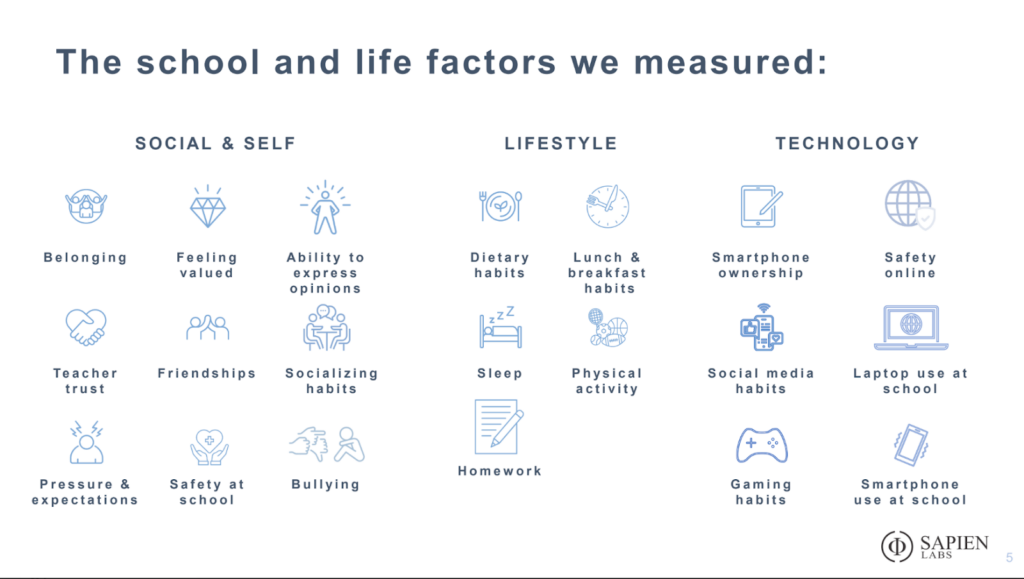
Sapien Labs isn’t looking for a simple “happiness” score. Their Mental Health Quotient (MHQ) test measures 47 distinct elements of mental function, from resilience and adaptability to social self and cognition. It’s not a diagnostic tool; it’s an assessment designed to capture patterns in self-reported functioning and experience over time. Their goal, aligned with the work of social psychologist Jonathan Haidt (author of The Anxious Generation and The Amazing Generation) is to identify the root causes of the global decline in youth mental health, specifically looking at the impact of technology, diet, and social connection.
Our First Findings: Growth Beyond the Average
When our students arrived in September, they were already starting from a strong baseline. While the MHQ score for teenagers in typical high schools often hovers in the 20s, our students walked through the door with an average score of 88. This was not a complete surprise; the typical student at Maine Coast Semester has already shown willingness to step outside the ordinary academic track and try something new and challenging.
But what did surprise us was by the time they left in December, that MHQ score had skyrocketed to 114.
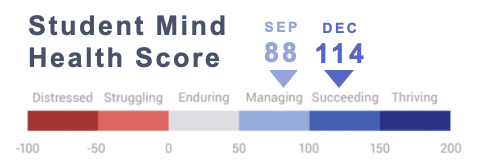
What does that mean in real terms? It means our students aren’t just “getting by”; they are seeing clear shifts in their MHQ. The data showed notable gains in Cognition, Mood & Outlook, and Resilience & Adaptability. In fact, by the end of the semester, Adaptability and Resilience became the group’s highest-scoring category, a clear indicator that the structure of semester life (from early morning chores to rigorous field research) are building the “mental muscle” students need to achieve executive function and leadership skills that will serve them well in college life and beyond.
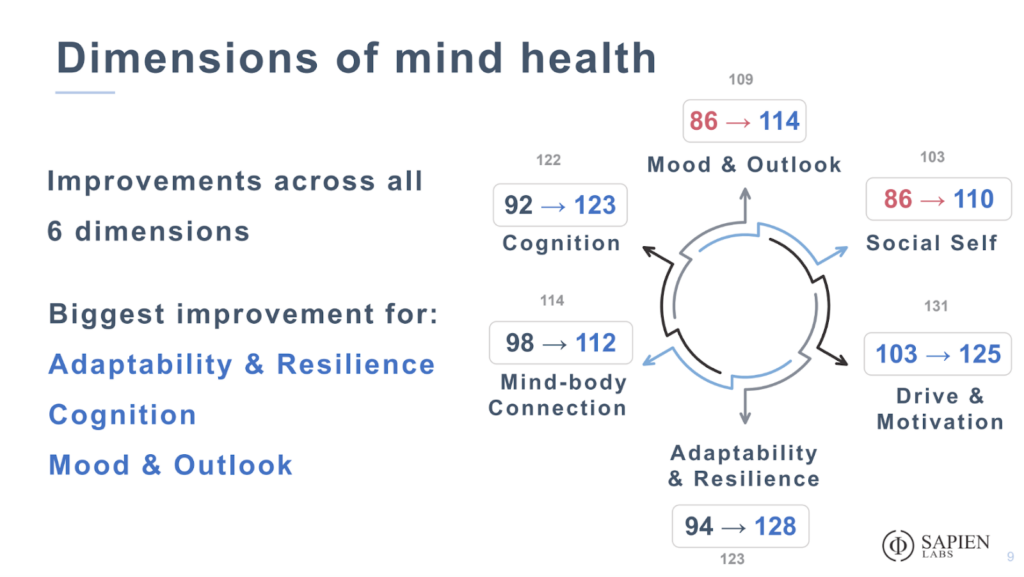
- Drive and Motivation: This was one of the biggest areas of improvement, jumping from a score of 103 to 125. It’s a clear indicator that the “good hard work” of semester life is building the mental muscle students need for the real world.
- Adaptability & Resilience: Scores increased from 94 to 128, reflecting a student body that is more engaged and purposeful.
- Cognition: Students saw a significant boost in cognitive function, rising from 92 to 123.
The "Cohesive Glue" of Personal Connection
Perhaps the most touching data point in our results was the sense of belonging. For the girls in our program, the percentage who reported a strong sense of belonging jumped from 50% at the start of the semester to a staggering 100% at the end.
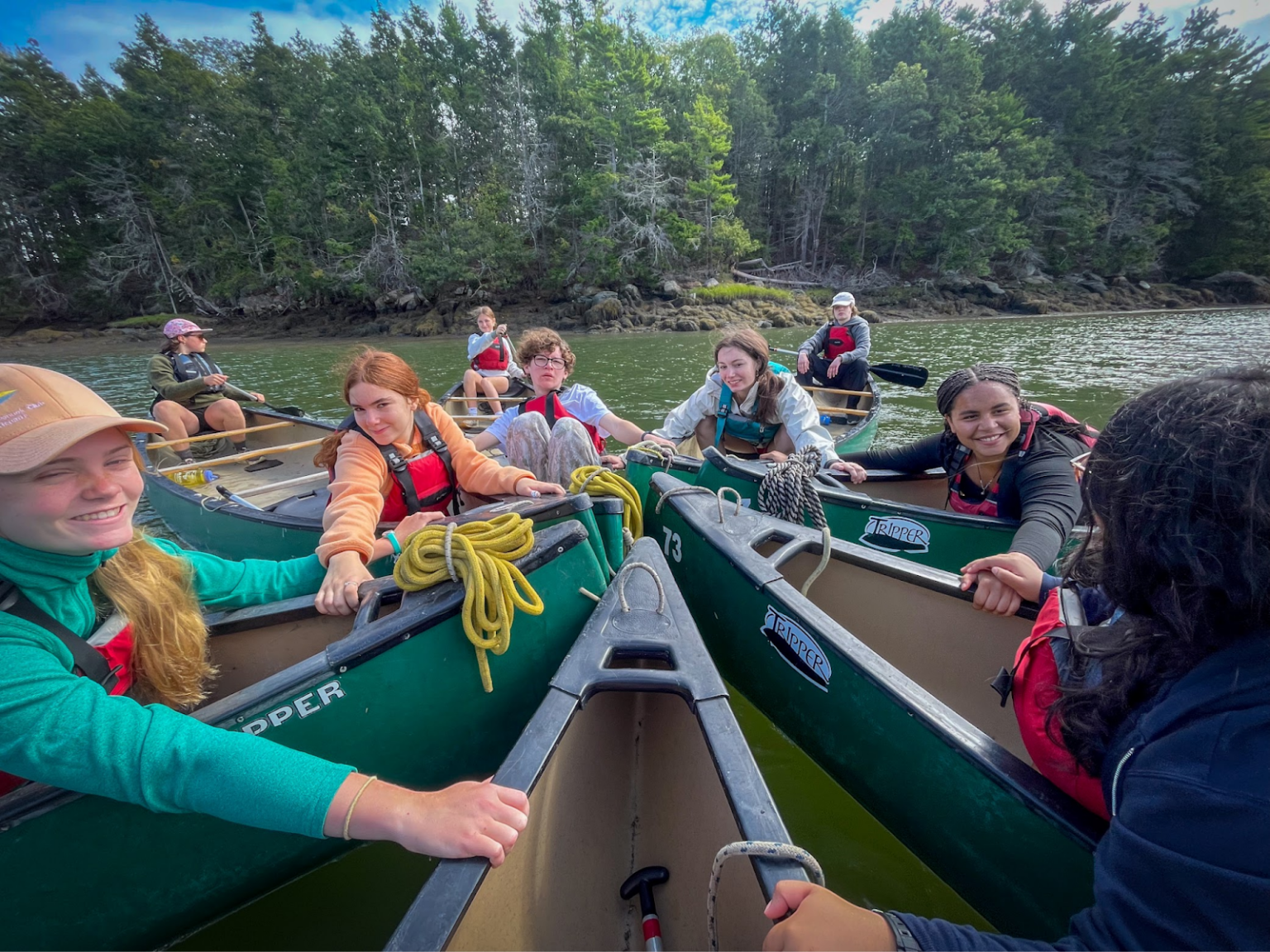
As we discussed the results with the team at Sapien Labs, we kept coming back to one unique factor in our population of students: the “cohesive glue” of a phone-free environment. Without the constant distraction of a smartphone, students have no choice but to engage with peers, start unstructured conversations, and truly matter to the people around them. Or to put it another way, without the distraction of phones, they spend time with people instead of scrolling past them.
Facing the Human Challenges
The data also gave us a mirror to look into, and it wasn’t all perfect. We learned that, like many schools, our students are so focused on competitive academic achievement, that they often struggle with performance pressure, and prioritized studying over sleep. We saw that our detailed teacher feedback process, while meant to be helpful, sometimes made students feel they needed to spend even more time on homework than was necessary.
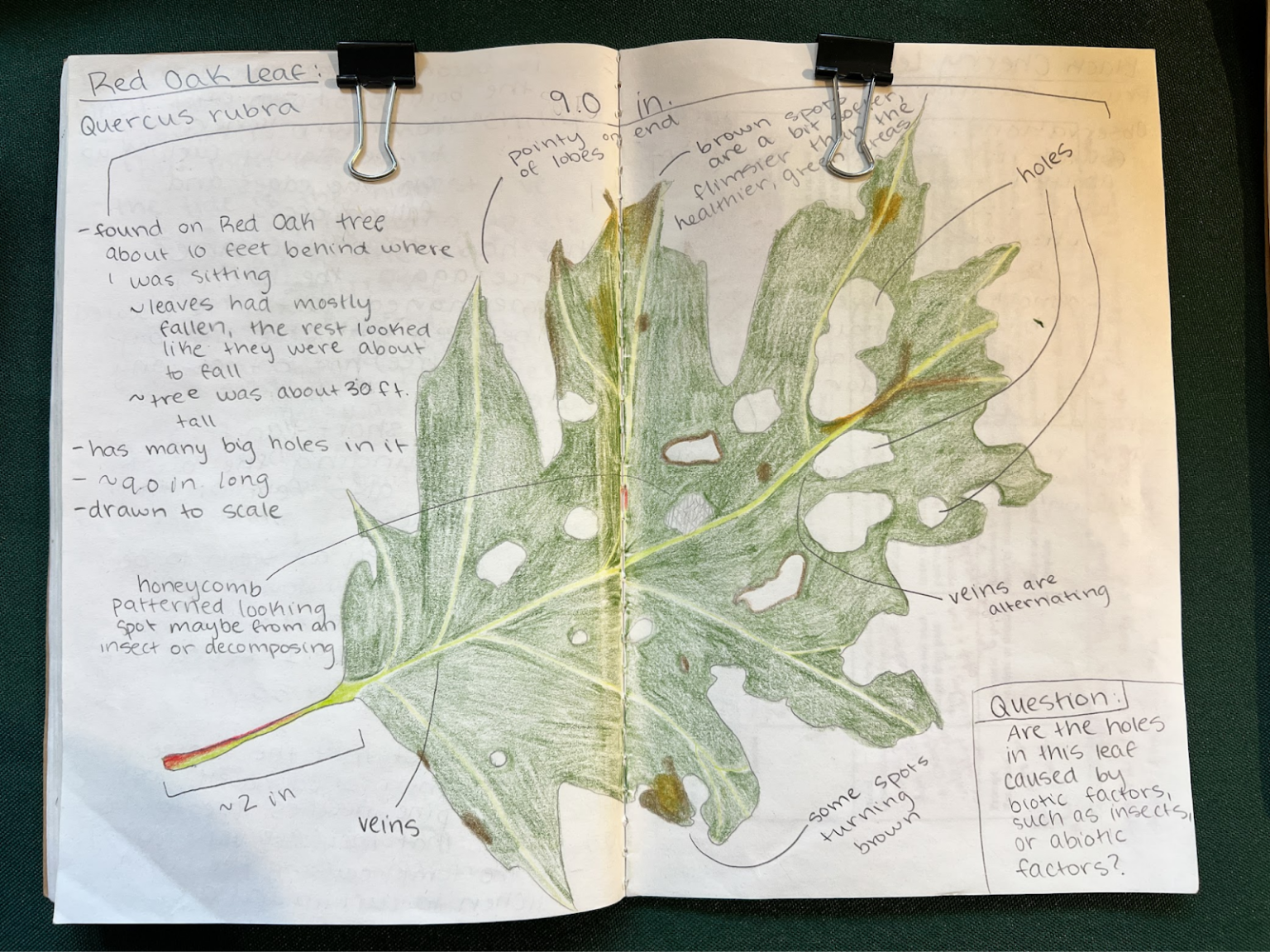
Moving forward, we’re leaning into the lesson that “good enough is often good enough” and encouraging students to prioritize their rest and well-being over a perfectly annotated field lab notebook.
Why This Matters
For over 36 years, we have operated on a belief that a deep connection with the natural world and spending time in a caring community that encourages curiosity is absolutely vital for teenage development, and it is exciting to continue this partnership with Sapien Labs to receive real-world data to track the results.
We look forward to continuing this work with the next cohort, and ensure that every student leaving Chewonki Neck goes home more resilient, connected, and ready to take on the challenges ahead.