
Back in 2021, Chewonki received a visit from Washington Post author Jennifer Wallace who was traveling through Maine to pick up one of her children from summer camp. Wallace had recently published an article about startling new findings published by the National Academies of Sciences, Engineering and Medicine and the Robert Wood Johnson Foundation: children attending “high-achieving schools” had been added to the list of “at-risk” conditions for youth, alongside children living in poverty, foster care, recent immigrants, and those with incarcerated parents. How could it be, Wallace wondered, that attending a top academic institution was now considered a risk factor?
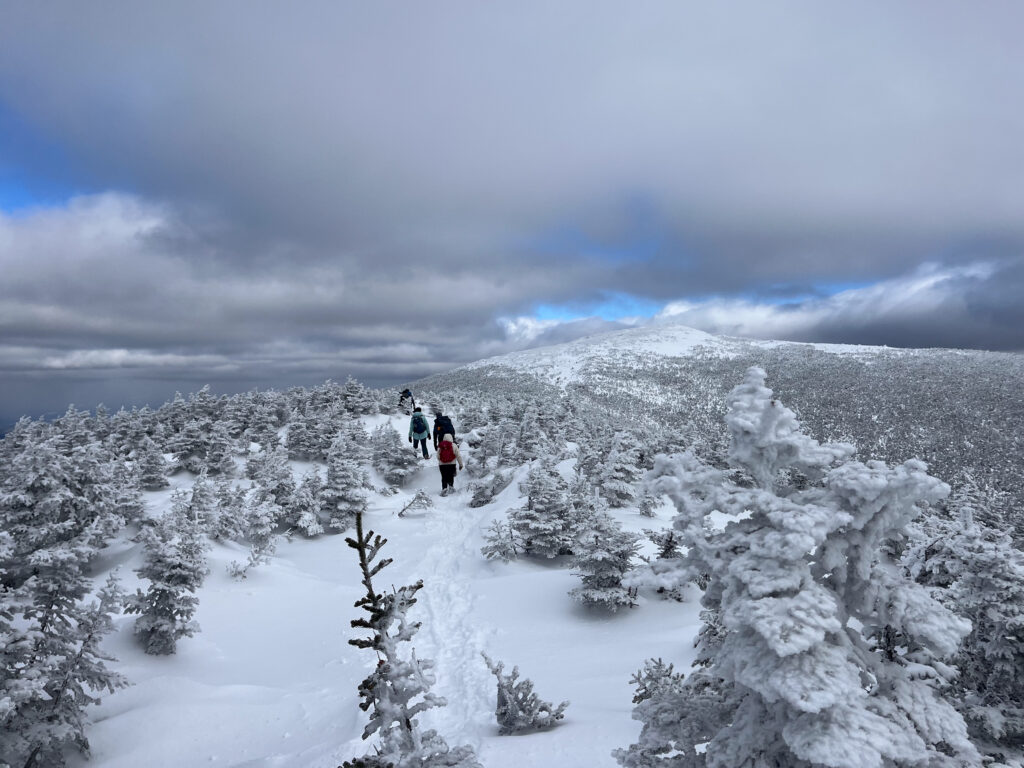
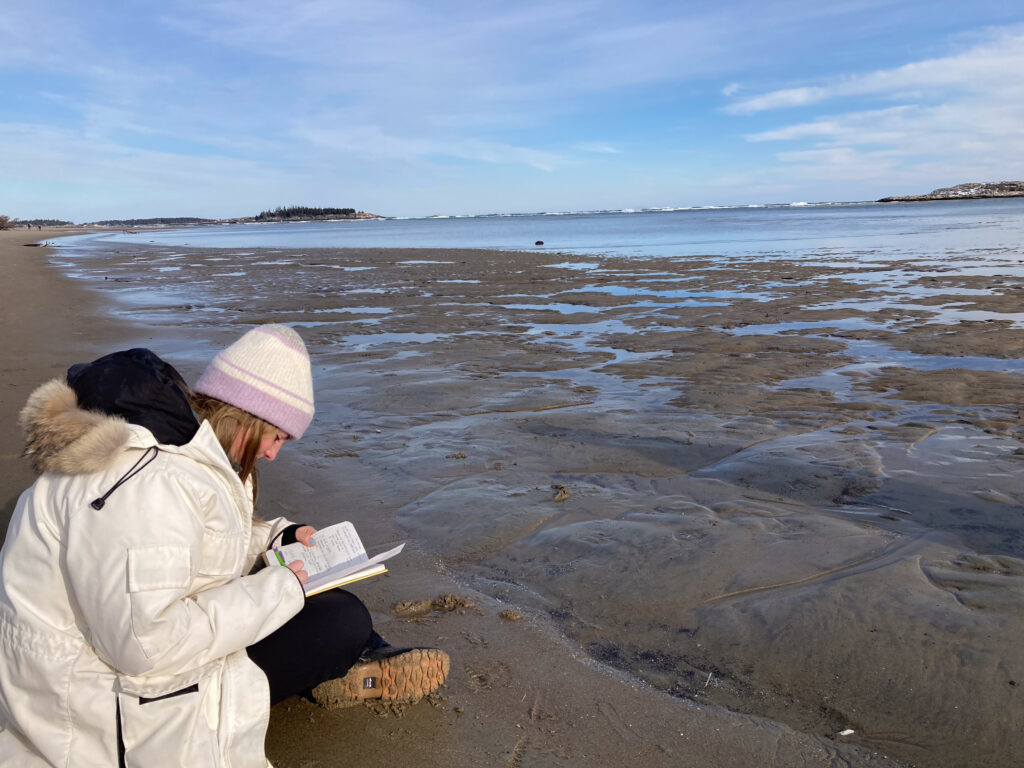
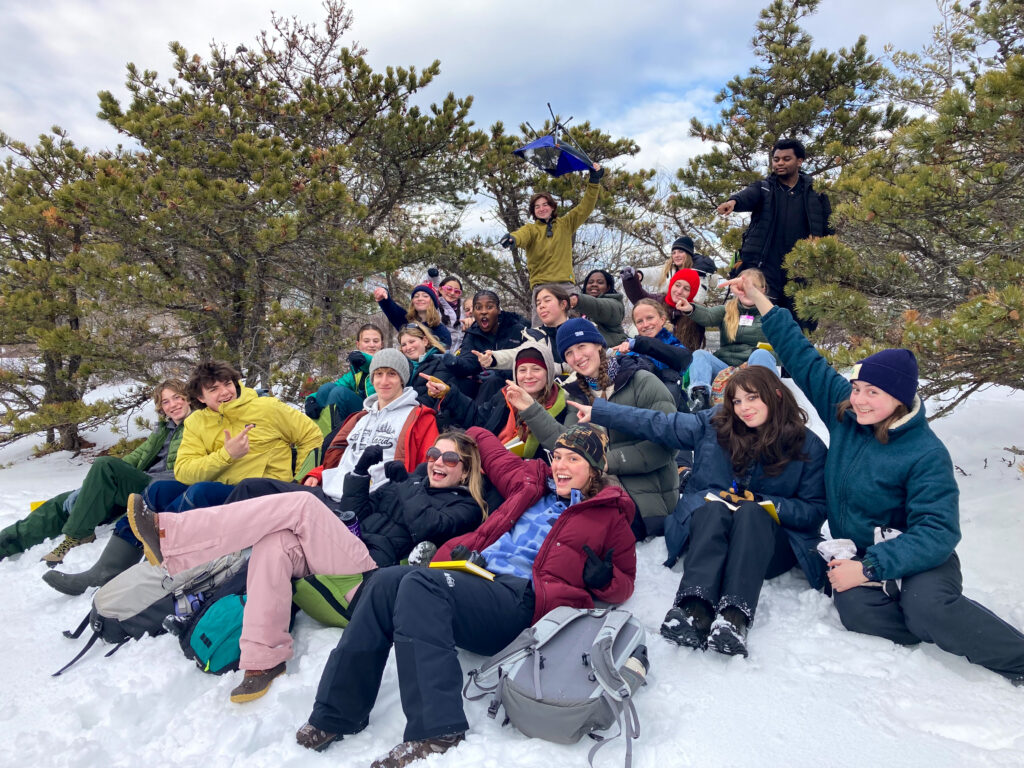
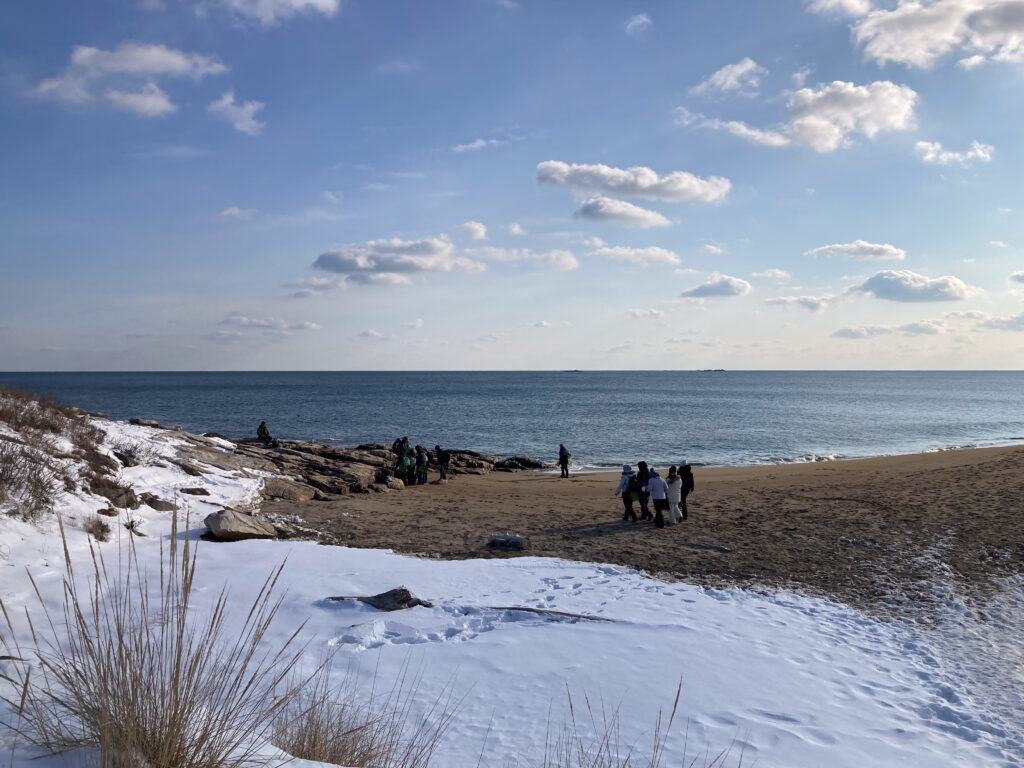
Wallace continued her research, including a site visit to Chewonki to learn about our Maine Coast Semester program and interview alumni parents, learning how a semester away from the pressure cooker of their home schools and spending time in tech-light intentional community was dramatically changing students lives for the better.
In 2023 Wallace published her book Never Enough: When Achievement Culture Becomes Toxic-and What We Can Do About It, an instant hit on the New York Times bestseller list.
Drawing on interviews, survey data from nearly 6,000 parents, and stories from students and educators, Wallace argues that the pressure on high-achieving students contributes to rising rates of anxiety, depression, burnout, and loneliness.
Instead of pushing for ever-higher performance, Wallace contends we should foster a sense of “mattering” in children, that is, helping them see themselves as inherently valuable beyond achievements and offers practical steps for parents, educators, and communities to lower the temperature of expectations and support healthier, more sustainable growth.
The following is an excerpt from Never Enough that recounts one parent’s experience of her daughter’s journey through high school and the transformation that occurred after finding and enrolling in Maine Coast Semester.
* * *
 An Emergency Exit
It was the end of summer vacation for Maggie, a sophomore at a boarding school on the East Coast. She had spent eight weeks in what her mother, Anne, called Maggie’s “happy place,” volunteering as a counselor at a wilderness camp. Anne, a mother of two in Brunswick, Maine, was putting the duffel bags into the trunk to take her daughter back to school when she caught a glimpse of her noticeably shaking on the gravel, “looking like a frightened deer in the headlights.” The demanding academics and social pressure she felt at school—who is wearing thousand-dollar Canada Goose coats and who is having their birthday party in New York City with a chauffeur taking them there and back—was overwhelming Maggie. “I can’t go back,” she whispered.
Anne knew right there and then that she needed to find Maggie what she called “an emergency exit” from an environment that had become toxic. Within a few days, Anne had found Maggie a spot in a semester-long wilderness school in Maine—that quick pivot was a privilege she recognized. Maggie slept in a cabin heated with a woodstove; the girls needed to keep the fire going at night. Each evening, the six other girls in Maggie’s cabin would choose one tiny bunk bed to pile on with a bag of popcorn and tell stories in their pj’s. Their boots would be lined up by the door, covered in mud from the day’s farm chores.
In the unrelenting chase of what is “best,” many of us can unknowingly allow our lives to become defined by materialism. Materialism isn’t simply about loving certain logos or buying nice stuff; rather, it’s a value system that defines our goals and attention and how we spend our days. And it can leave us not just exhausted but unmoored. Pursuing materialistic goals, like high-status careers and money, causes us to invest our time and energy into things that take time away from investing in our social connections, a habit that can make us feel isolated over time. Ironically, the more isolated we feel, the more likely we are to pursue materialistic goals that we hope, even subconsciously, will draw people to us. Acquiring status markers, we believe, will make us worthy of the human connection we crave. It’s a vicious cycle: some people may become materialistic not because they love money more but because they have underdeveloped connections. Instead of attaching to people, they attach to material goods and status markers to fill the void and to try to get the emotional security they’re lacking. But this approach can backfire and undermine the very relationships we’re trying to foster. In fact, people who prioritize materialistic goals tend to have weaker, more transactional relationships: you do for me, I do for you.
For the past thirty years, the psychologist Tim Kasser, an emeritus professor at Knox College in Illinois and the author of The High Price of Materialism, has focused his career on studying how the pursuit of goals like career success, money, and image relate to our well-being. In one study, Kasser and his colleagues surveyed a group be triggered by ongoing feelings of scarcity, like those caused by constant conversations about dropping college admissions rates. One mother described how every time she’d go to a friend’s house and admire something they had—a new kitchen, some new landscaping, table settings—she’d leave feeling envious and wanting to make some changes in her own house, even though her house didn’t really need updating.
The more parents model that having material possessions, making lots of money, and going to a name-brand school are important, Kasser said, the more children tend to follow along in adopting those same values. If we want our children to shore up on intrinsic values—relational, community-minded ones—the first thing we must point them toward is regular ways of experiencing their value outside their zip codes. We must offer them regular reprieves from a world that cares about advancement and stuff—whether it’s offering connection through family dinners or friends’ birthday parties, a mental reset through unplugging from devices, or a reminder of our smallness and humanity through excursions into nature.
This is exactly what Anne discovered with Maggie. Over that one semester, Maggie recovered from two years of her boarding school grind. She went from being saturated with displays of status to being surrounded by nature and people who shared her values: a love of the outdoors, an interest in helping the environment. Feeling stronger, she convinced her mother that she was ready to go back to boarding school. This time, though, she was deliberate about the friends she surrounded herself with, making sure their values were aligned. She thrived.
“What was it exactly about this time away that reset Maggie?” I asked Anne, as she and I walked along a hiking trail in the woods of Maine. “There is no judgment when you go into the forest,” Anne replied. “The trees are not saying your hair is the wrong color, you’re too fat, you’re too slow. The trees are just saying ‘welcome.’” Paraphrasing a favorite quote by Robin Wall Kimmerer, Anne said, “We talk about tree huggers, but what we don’t think about is how the trees love you back.” She added, “It’s not an exaggeration to say that nature saved my daughter.”
* * *