Growing up between Southeastern Pennsylvania and coastal Portugal, some of my earliest memories took place where food grows, animals are tended, and people work closely with the land. One late summer afternoon in my father’s village of Ramalhiça, my cousins and I wandered into a neighboring farm in search of something sweet to eat. We found a row of elderly yellow plum trees and eagerly filled our bellies with fruits, juice running down our arms in sticky streams. In the middle of our feast, I looked up to see Ti Palhaça, an elderly farmer neighbor, standing nearby, observing. The expression on his face was not anger, but sadness. At the time, I couldn’t understand his expression, but after spending years volunteering, living, and working on farms internationally, I came to recognize what that look meant. Acreage of food is not simply grown; immense care, labor, and commitment to the land are required to sustain a livelihood from the land. That lesson in patience continues to shape the way I think about farming, education, and community.
Raised in a family of educators and influenced by a Quaker upbringing rooted in reflection, simplicity, and care, I learned early on that education can’t be confined to a classroom, but can flourish around dinner tables, in home gardens, through shared work, and in conversations with people who have spent years paying close attention to the natural world. As an only child, I spent much of my time outdoors building fairy houses, exploring creeks and nature preserves, relentlessly inquiring about the natural world around me, and creating my own adventures. That curiosity eventually led me into small-scale organic farming, public-facing fine horticulture, environmental education, fueling my passion for working with my hands.
Over the years, farming has shown me resilience, adaptability, and endless humility. From crop failures to navigating livestock disease to reveling in shared accomplishment in the busy summer months, I have come to value that good things take time. Through my work in the Indian Himalayas and on coastal Maine livestock operations, communities have shown me that meaningful work is rarely accomplished alone. It grows from collective problem-solving, perseverance, and learning from mistakes. Beyond the practical skills I have gained, these experiences have deepened my understanding of the ways our bodies, communities, and ecosystems depend upon one another. I see education as a tool to be used to help us recognize and strengthen those connections in a world that’s in desperate need of them.
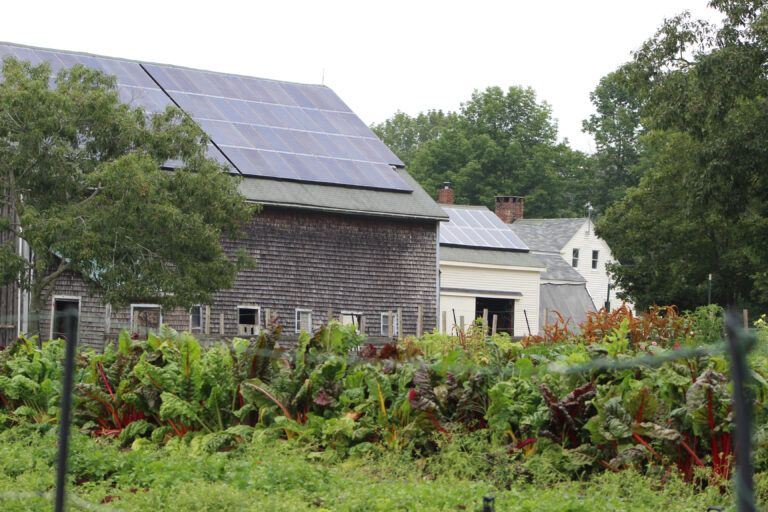
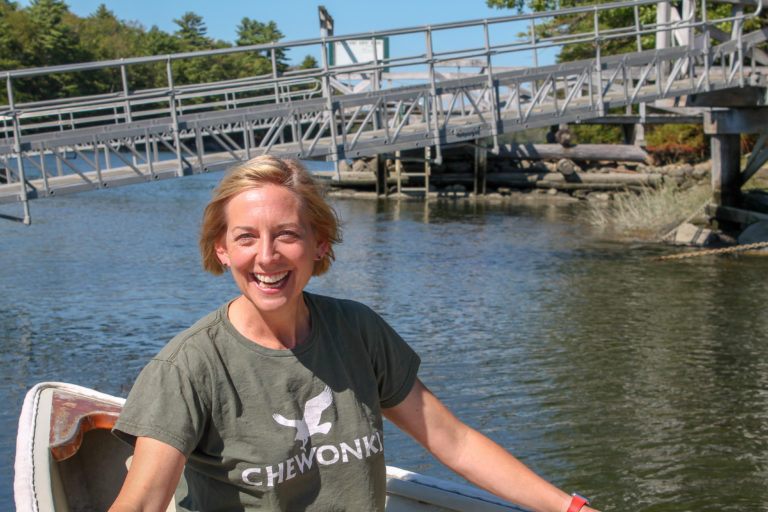
As Assistant Farm Manager and Educator at Chewonki, I support the daily operations of the farm while helping students engage directly with living systems through shared work programs on the farm. Whether caring for seedlings in the greenhouse, tending livestock on cold mornings, harvesting vegetables, or washing produce alongside students in the pack shed, I am continually inspired by the ways farm work cultivates confidence, curiosity, resilience, and strengthens community.